
Mining Machinery
2026-07-30
Mining Machinery – Wear-Resistant Parts
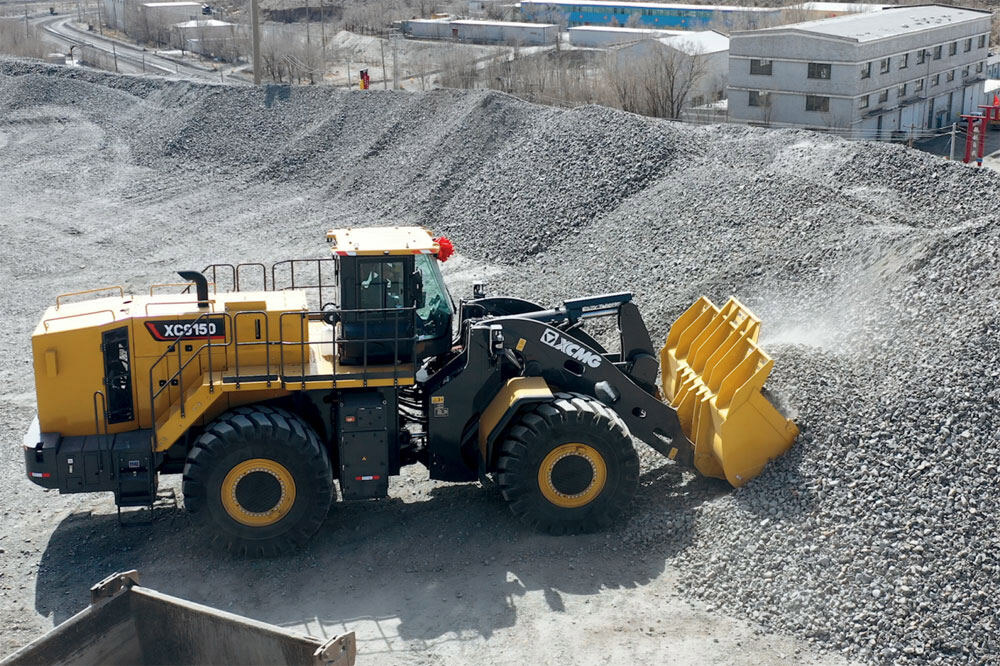
Wear-resistant parts for mining machinery are core wearing components of crushers and screening equipment. Their working conditions involve severe wear, and extremely high requirements are placed on the material density, surface quality, and dimensional precision of the castings. As mining equipment moves toward larger sizes and localization upgrades, the market continues to raise the standard for batch stability of high-quality wear-resistant castings. Traditional manual grinding suffers from low efficiency and inconsistent quality and can no longer meet the needs of large-scale production and delivery.
Mining wear-resistant parts are mostly produced through sand casting of high-chromium alloys and high-manganese steel, featuring high material hardness and heavy casting wall thickness. During the casting cooling process, irregular shrinkage and expansion deformation is highly prone to occur, with large deviations between individual pieces. Heavy flashes, oxide scale, and residual gates and risers remain on casting surfaces, parting surfaces, and cutting edge positions. Traditional fixtures rely on theoretical dimensions for positioning and cannot accommodate casting deformation, making problems such as uneven grinding, over-grinding of cutting edges, and under-grinding in difficult-to-reach areas prone to occur, resulting in high grinding difficulty and a high rework rate.
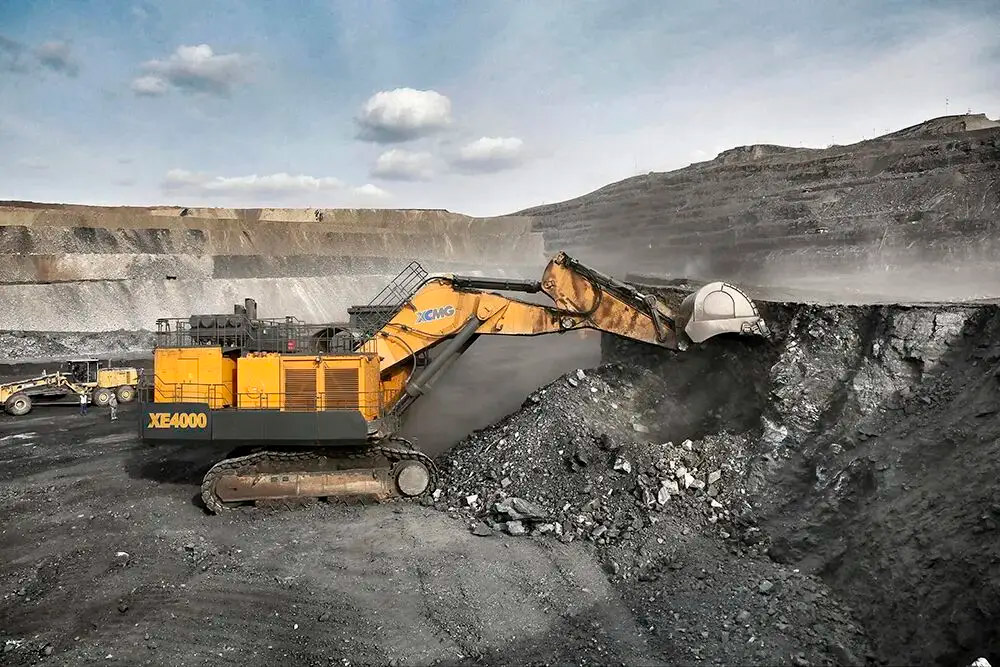
To address the grinding pain points of mining wear-resistant parts, which are characterized by high hardness and easy deformation, Quanyu Industry has developed a dedicated automated grinding solution based on its core 3D vision deviation correction technology. The equipment can scan and capture the actual contour of each wear-resistant casting in real time, and uses intelligent algorithms to precisely calculate shrinkage and expansion deformation and dynamically compensate for it. It eliminates dependence on fixed fixtures, adapts to the deviations of individual castings, and precisely performs standardized grinding of flashes, oxide scale, and critical cutting edges.
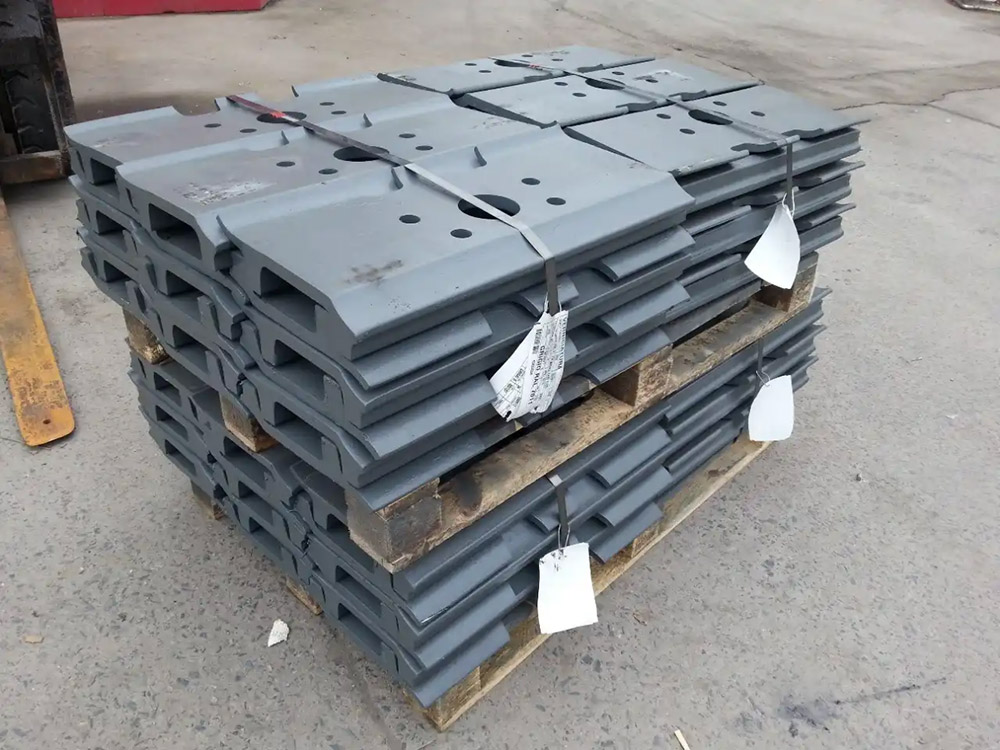
After the equipment was put into operation, the customer's wear-resistant casting grinding precision and batch consistency improved significantly, effectively eliminating over-grinding and under-grinding problems, and the product qualification rate increased markedly. Automated grinding replaces high-intensity, high-risk manual processes, steadily improving production efficiency and reducing labor and rework costs. It stably meets the stringent assembly and wear resistance standards of mining equipment, helping the enterprise achieve quality improvement, efficiency enhancement, and cost reduction.
(This case requires confidentiality regarding customer information and product information. The above images are all sourced from publicly available information online and are for reference only. If you have any questions or if there is any infringement, please contact us for handling.)