Rail Transit
2026-07-30
Rail Transit – Gearbox
Rail transit turbine housings are core precision castings for locomotive power turbocharging systems and are critical to driving safety and power stability. As the localization and quality upgrading of rail transit equipment accelerates, the industry imposes stringent requirements on the curved surface precision, surface finish, and batch consistency of turbine housing castings. Traditional manual grinding suffers from low efficiency and large errors, making it difficult to meet high-end mass-production delivery standards.
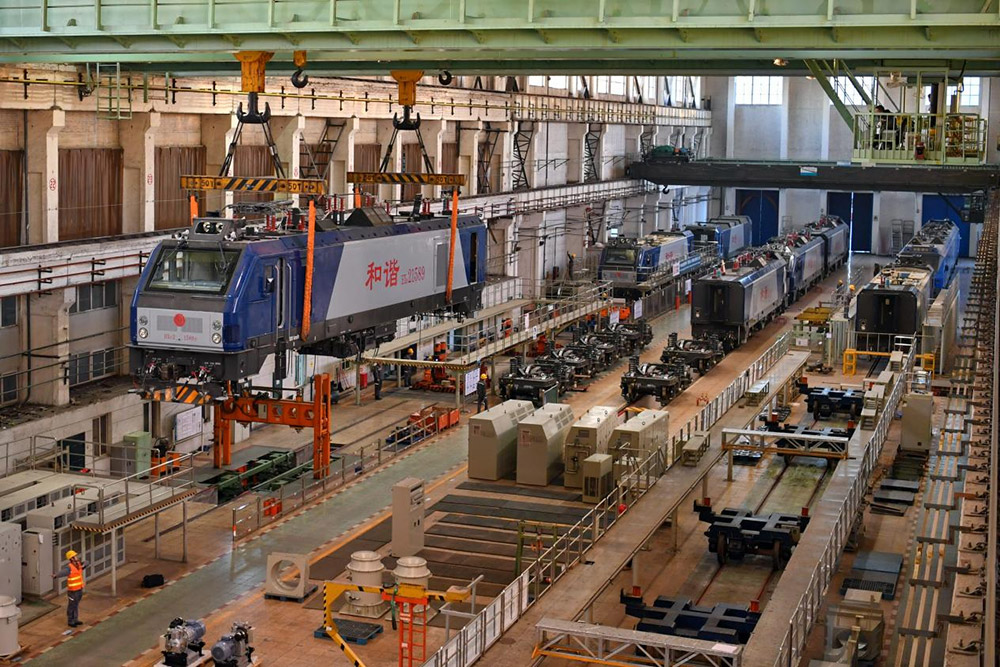
Turbine housings are produced through precision sand casting, featuring complex overall curved surfaces, numerous special-shaped flow channel structures, and uneven wall thickness. After cooling and forming, individual castings vary in contour deviation, and flashes, burrs, and oxide scale tend to remain on parting surfaces, internal flow channels, and edges and corners. Traditional fixed-position grinding requires manual loading, unloading, and alignment, and cannot compensate for casting deformation errors, making under-grinding and over-grinding prone to occur, with many difficult-to-reach areas on complex curved surfaces and a high rework rate.
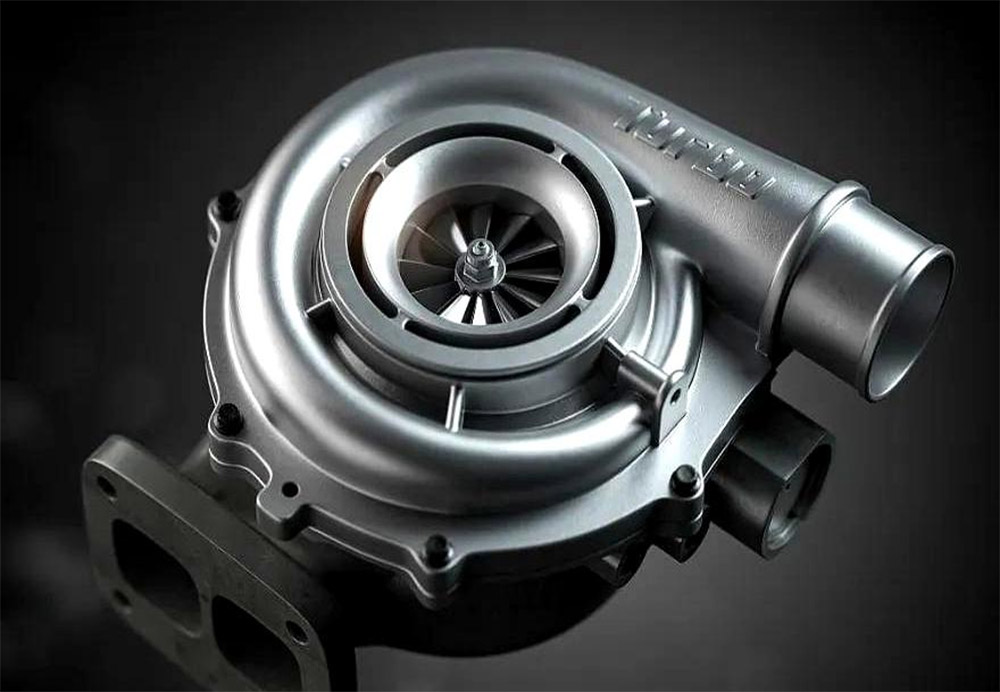
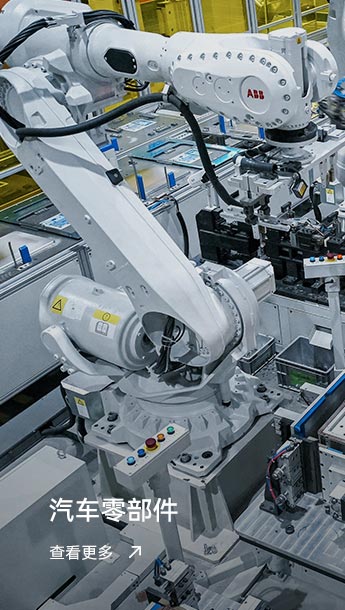
To address the above industry pain points, Quanyu Industry has innovatively adopted a robot part-picking grinding process combined with its core 3D vision deviation correction technology. The equipment uses a robot to pick up the workpiece and autonomously complete all-round grinding without the need for fixed fixture positioning. Through 3D scanning, it captures the actual contour of each casting in real time, and relies on self-developed algorithms to precisely calculate shrinkage and expansion deformation and dynamically compensate for it, automatically generating a grinding path adapted to each individual workpiece. This efficiently overcomes the grinding challenges of special-shaped curved surfaces and deformed workpieces, greatly improving cycle time and adaptability.
After the equipment was put into application, the customer completely eliminated the drawbacks of manual alignment and manual grinding. Grinding precision and batch consistency improved significantly, and the defect rework rate dropped sharply. The part-picking automated operation enables continuous and efficient production, multiplying grinding efficiency and reducing labor, consumable, and management costs. It fully meets high-end quality inspection standards for rail transit, helping the customer consolidate its supporting advantages in high-end rail transit castings and achieve quality improvement, efficiency enhancement, and cost reduction.
(This case requires confidentiality regarding customer information and product information. The above images are all sourced from publicly available information online and are for reference only. If you have any questions or if there is any infringement, please contact us for handling.)