Engine
2026-07-14
Internal Combustion Engine – Cylinder Block
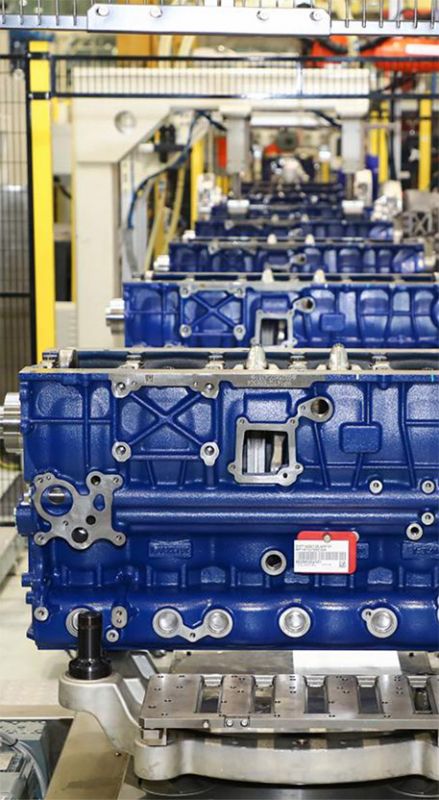
Engine cylinder blocks and cylinder heads are core power-train castings, and demand continues to be driven by the construction machinery and commercial vehicle markets. The market is characterized by high barriers to entry for high-end castings and stringent requirements for delivery stability. OEMs are imposing increasingly strict controls on burr removal and dimensional consistency, and traditional manual grinding can hardly meet the needs of large-scale, high-quality production.
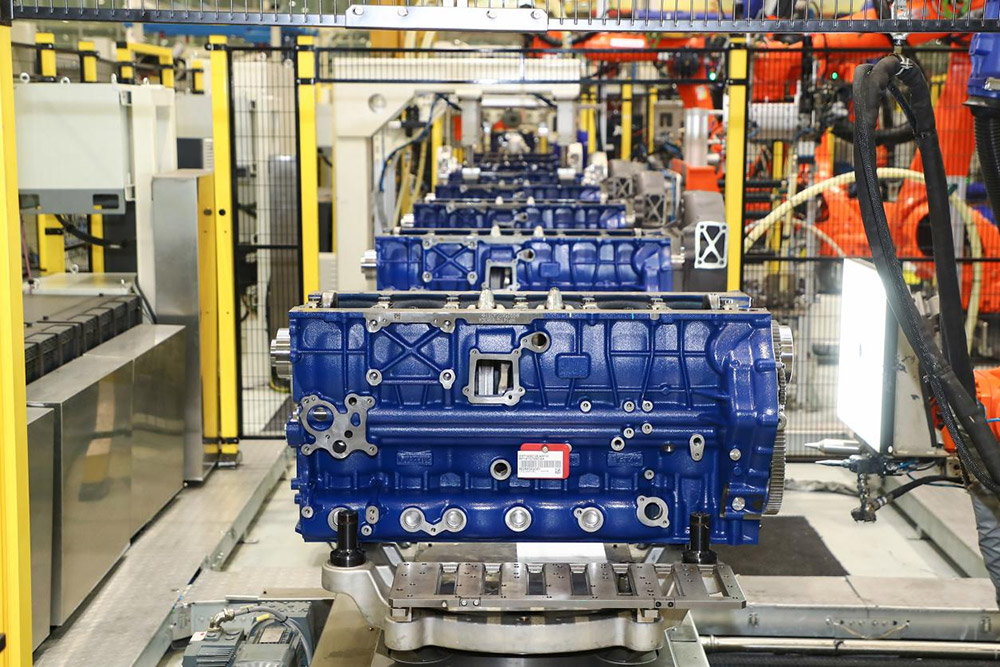
Engine castings are mostly produced by sand casting, with complex internal water jackets and oil galleries and numerous cavities. The cooling process during casting tends to cause shrinkage deformation, resulting in differences in the contour of individual pieces, as well as residual gates and risers and flashes. Traditional fixtures can only be positioned according to theoretical dimensions, and the shrinkage and expansion deformation of castings leads to positioning deviations, making under-grinding and over-grinding prone to occur. Burr removal in narrow internal cavities is difficult, manual grinding quality is unstable, and dust-related operational risks are high.
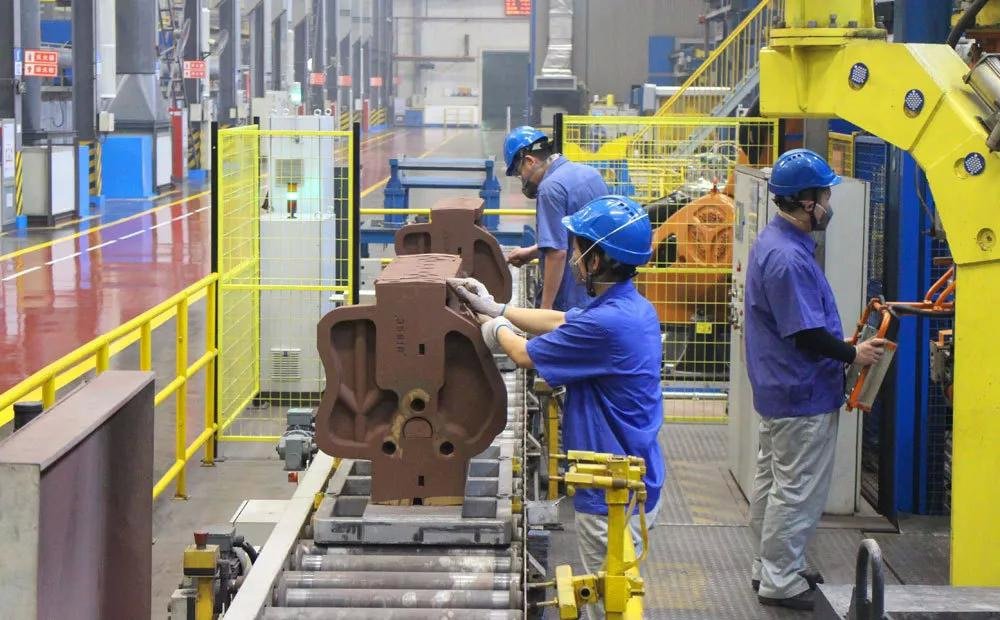
To address these pain points, Quanyu Industry has developed an automated grinding solution based on 3D vision deviation correction technology. The equipment uses 3D scanning to capture the actual geometry of each casting, and relies on algorithms to calculate shrinkage and expansion deformation in real time and automatically compensate for it, eliminating dependence on theoretical models and fixed fixtures and achieving precise positioning of large engine castings. Combined with flexible grinding execution units, it stably removes material from casting end faces, residual gates and risers, flashes, and internal cavity edges and corners, supporting flexible production of multiple types of engine castings. Quanyu Industry can meet the grinding needs of castings for small single-cylinder engines, L6 engines, V12 engines, and ultra-large diesel engine units.
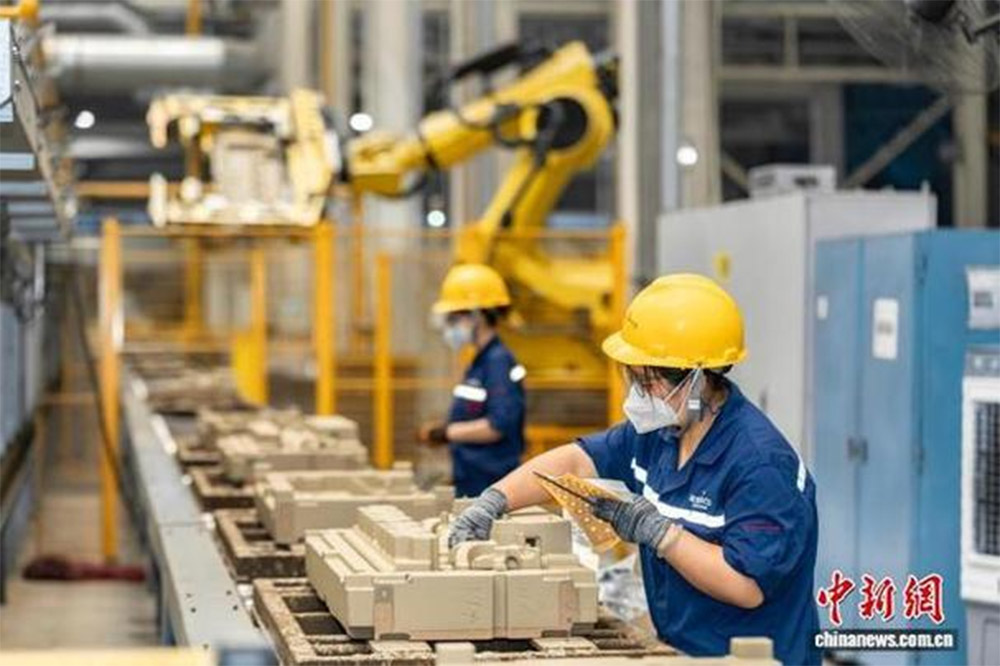
After project implementation, the customer's casting grinding consistency improved significantly, and the defect rate from under-grinding and over-grinding dropped sharply. Grinding process efficiency increased, staffing for high-risk grinding positions was reduced, and consumable losses decreased. The solution stably meets OEM quality standards, reduces rework, achieves quality improvement, cost reduction, and safe production, and enhances the customer's competitiveness in supporting high-end engine castings.
(This case requires confidentiality regarding customer information and product information. The above images are all sourced from publicly available information online and are for reference only. If you have any questions or if there is any infringement, please contact us for handling.)